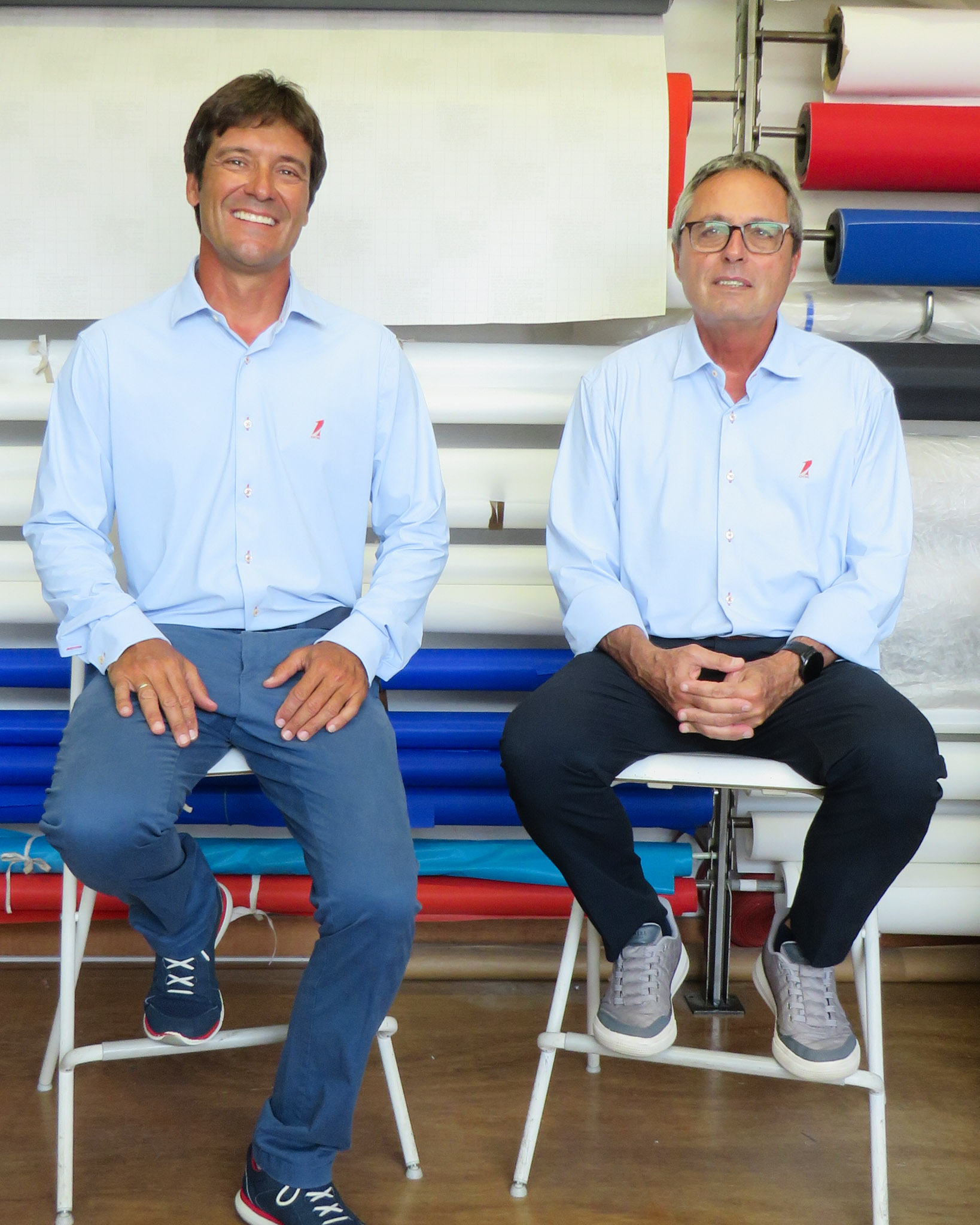


Following the ORC World Championship, we spoke with Mati Sepp, skipper of Technonicol and owner of OneSails Estonia, about the team’s campaign, the role of sail development, the challenges of competing at the highest level, and what lies ahead for one of ORC racing’s most successful teams.
Q: Looking back at the championship, how would you summarize the entire event from your perspective?
A: Mediterranean World Championships always bring together the best teams, and as expected, every metre on the water had to be fought for. From our perspective, it was naturally disappointing to lose the regatta as a result of a retirement in the final race, but overall we can say that we extracted the maximum performance from our X-41.
Q: What do you think was the biggest strength of Technonicol throughout the event?
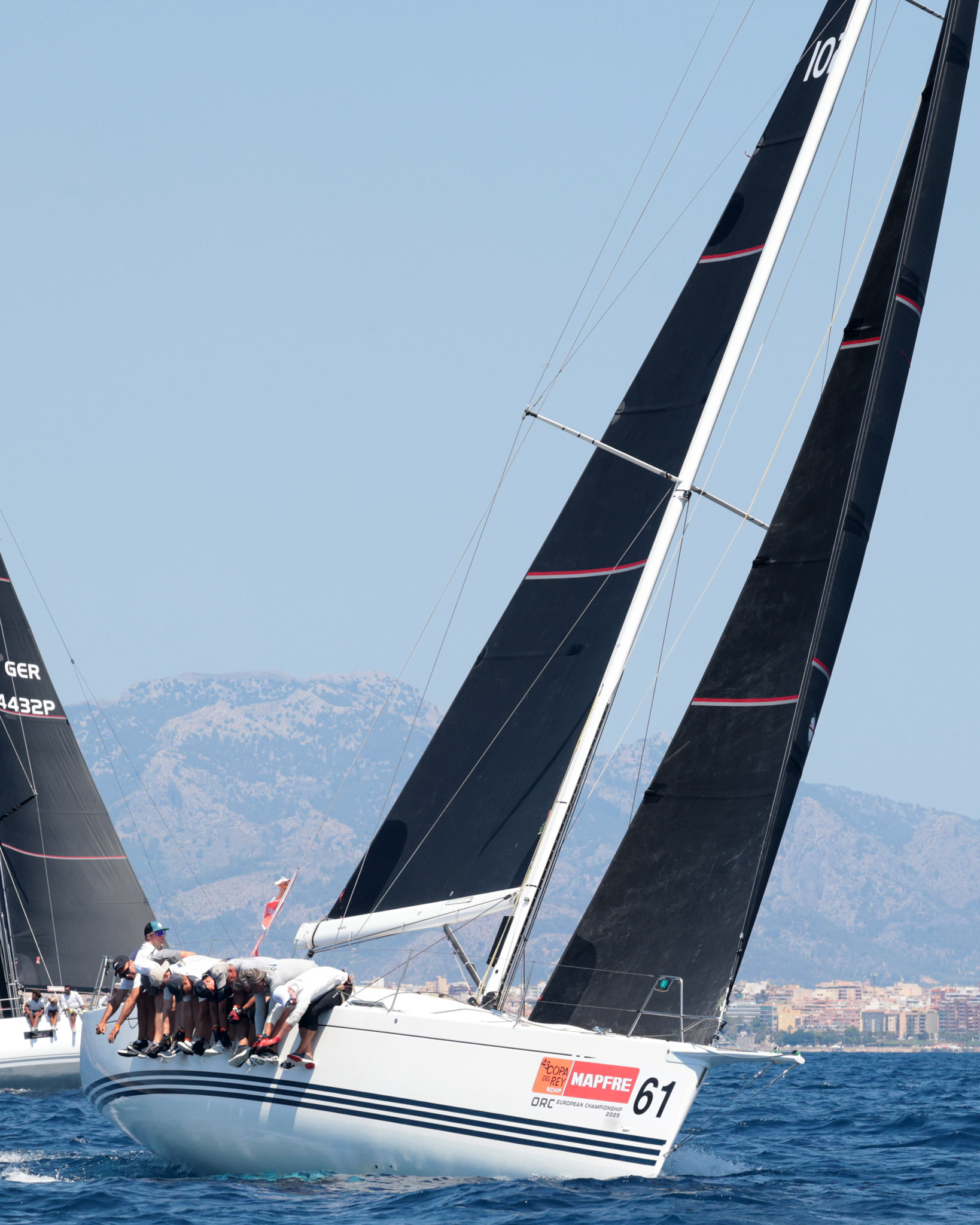
A: Our greatest advantage was our long-standing experience sailing X-41 yachts. We became X-41 One Design World Champions back in 2010, so we know this boat type extremely well. In addition, the yacht has undergone extensive ORC-specific optimisation, including a new keel, a new rudder, and a sail package that is very different from the original class sails—purpose-built for ORC racing.
Q: How much of your sail inventory was carried over from last season, and what changes or developments were introduced this year?
A: Unfortunately, we were working with a limited budget, which meant that for the World Championship we were only able to build one new sail: a new Jib 1. All of the remaining sails carried over from the 2025 season, during which we won the ORC European Championship at the Copa del Rey with the same boat.
Q: Was there a particular sail or design refinement that had the biggest impact on performance?
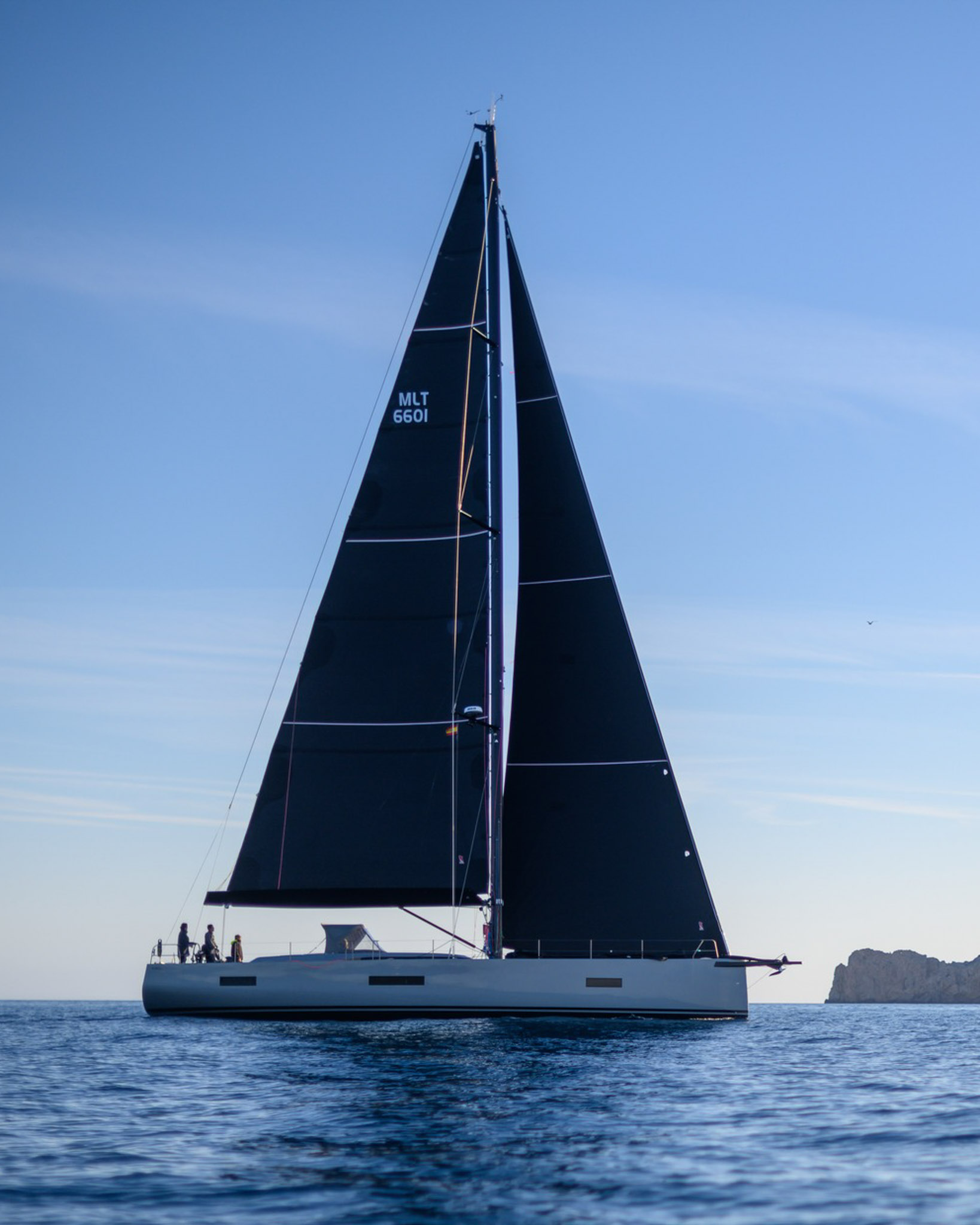
A: Our sails were originally designed and built for the 2025 Copa del Rey campaign. A key part of that inventory were the new fully-battened Jib 2 and Jib 3, along with a three-fullbatten mainsail. These sails provided exceptional trimming flexibility across the full range of conditions we encountered.
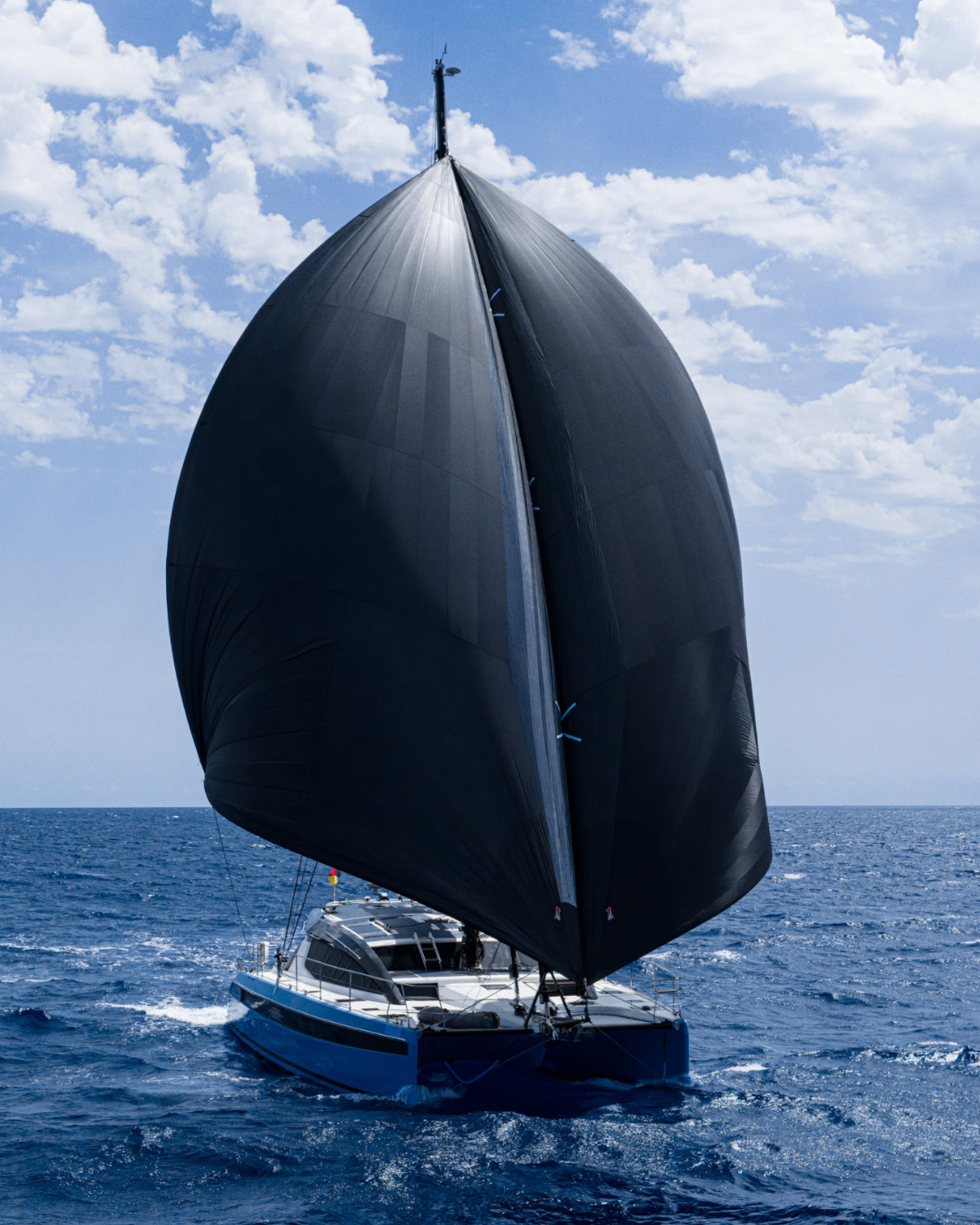
We also carried an A1 and A2 gennaker developed together with Flavio Formosa, both of which performed exceptionally well. We were particularly pleased with the A2 design. Since the X-41 is fundamentally a displacement boat, this sail allowed us to sail very deep angles and remain competitive against spinnaker-equipped boats.
Q: ORC championships require very careful sail selection. How do you approach building the sail inventory for an event of this level?
A: In an ideal world, you would develop a completely new inventory specifically for every World Championship. In our case, we knew we were missing a proper light-air offshore reacher, and we also had ideas on how to further improve our downwind performance. However, we had to compete with the inventory available to us, focusing on extracting the maximum value from proven sails.
Q: When choosing sails for an ORC World Championship, what do you prioritize most?
A: All factors must be considered: ORC rating optimisation, real-world boat performance, and the relative speeds of competing yachts.
That said, the highest priority is tactical freedom. This starts with strong upwind performance. If you have the speed to sail freely, avoid traffic, and gain an advantage at the start line, you can race your own race instead of being forced to react to others. Upwind speed creates opportunities throughout the course.
Q: Were there any particularly difficult weather conditions or tactical situations during the championship that proved decisive?
A: Yes. During the championship we struggled in very light winds combined with a leftover swell. In those conditions, our boat was simply too heavy compared to competitors such as Mascalzone Latino and Katara. We lost valuable ground during the shorter coastal race.
That said, creating a boat that dominates in every condition is extremely difficult. Our weaknesses only became apparent under rather extreme circumstances.
Q: Were there any mistakes, equipment issues, or unexpected moments that influenced the final result?
A: There certainly were. In the final race, our backstay broke after we had completed roughly half the course, forcing us to retire.
What made the situation particularly significant was that we were racing directly against Katara, and whoever finished ahead would become World Champion. Unfortunately, the equipment failure ended our campaign at the decisive moment of the championship.
Q: What aspect of the boat and team preparation are you most proud of?
A: I am most proud of the years of dedicated work that our team has invested into understanding this boat. The results ultimately came down to an in-depth knowledge of the platform that has been built over many seasons.
Q: Technonicol has been consistently successful at the highest level. What is the key behind that consistency?
A: The key is undoubtedly the team.
Technonicol is made up of some of Estonia’s finest sailors, many of whom have raced together for decades. Everyone understands each other’s strengths, communication is efficient, and trust is absolute.
Every defeat has helped the team grow, and over time those lessons have translated into a remarkable level of consistency and success.
Q: How important is the relationship between sail designers, sailmakers, and sailors when preparing for major ORC events?
A: It is absolutely critical.
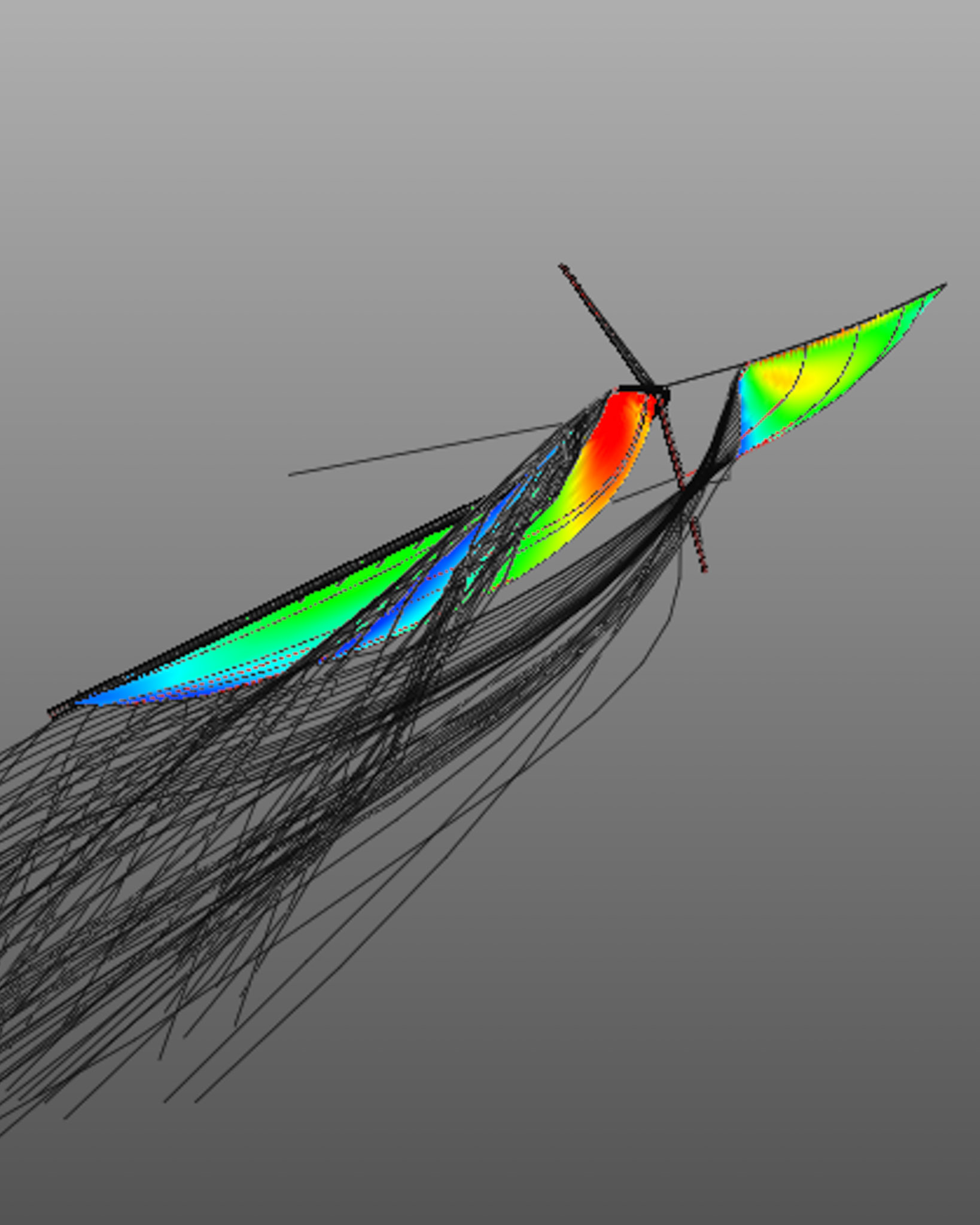
Our long-standing collaboration with Flavio Formosa has contributed to many regatta victories. After every event we analyse the results together and always identify new opportunities for improvement.
This continuous feedback loop between sailors, designers, and sailmakers is one of the most important drivers of performance at the highest level.
Q: Were there any particular OneSails products that played a key role during the event?
A: Absolutely. OneSails’ ZS technology has played a major role in the boat’s success.
Our speed advantage was built largely around the ZS Jib 2 and Jib 3, together with the three-fullbatten mainsail. The flexibility these sails provided across changing conditions was a significant advantage throughout the championship.
The same technology helped us win what was arguably one of the most competitive editions of the Copa del Rey ever held, which also served as the ORC European Championship.
Q: Where do you think the biggest performance gains can still be found in ORC racing today?
A: The sport is evolving rapidly. New and exciting boats are entering ORC racing, and I believe the older VMG-oriented yachts will gradually be replaced by faster, planing hulls.
The arrival of the XR-41 in 2025 was a major step forward in the development of modern racing yachts, and several similar projects are already underway.
The future of ORC racing will increasingly belong to boats capable of combining rating efficiency with genuine high-performance sailing.
Q: What advice would you give to teams aspiring to compete for podium positions at ORC championships?
A: The most important thing is to know your boat as thoroughly as possible.
Beyond that, work closely with a sail designer who is committed to continuously developing the boat’s performance on every point of sail. Incremental improvements accumulate over time and make a significant difference.
It is also worthwhile to consult experienced ORC optimisation specialists who can help optimise your rating without compromising real performance.
Q: What’s next for Technonicol?
A: Technonicol has been competing at the front of the fleet for a very long time, but the boat is now approaching twenty years of age, which is a significant milestone in modern racing.
As a result, there is a real possibility that this ORC World Championship was our final major regatta aboard the X-41.
Looking ahead, we will compete at the 2026 ORC European Championship aboard the E-44, a platform that secured bronze at the 2025 ORC World Championship.
Further into the future, we plan to race in the Mediterranean aboard the new Veloce 40, developed by Fareast Yachts with OneSails as a development partner for the sail package.
We believe the Veloce 40 represents a major step toward the future of ORC Class B. Until now, the class has largely been dominated by older VMG-oriented designs, but we are convinced that a modern planing hull has enormous potential to rise to the top—just as has already happened in ORC Class A.
As the ORC fleet continues to evolve, Technonicol’s campaign serves as a reminder that success is rarely the result of a single factor. It comes from years of accumulated experience, continuous refinement, strong partnerships, and a relentless focus on performance.
While the 2026 ORC World Championship may mark the end of an important chapter for the team’s highly developed X-41, it also signals the beginning of a new journey. With the E-44 program already underway and the Veloce 40 project taking shape, Technonicol and OneSails are looking firmly toward the future, bringing the lessons of two decades of racing into the next generation of ORC competition.